Speaking & Workshops
Thought-provoking sessions on digital experience, AI, design systems, product design, and leadership.
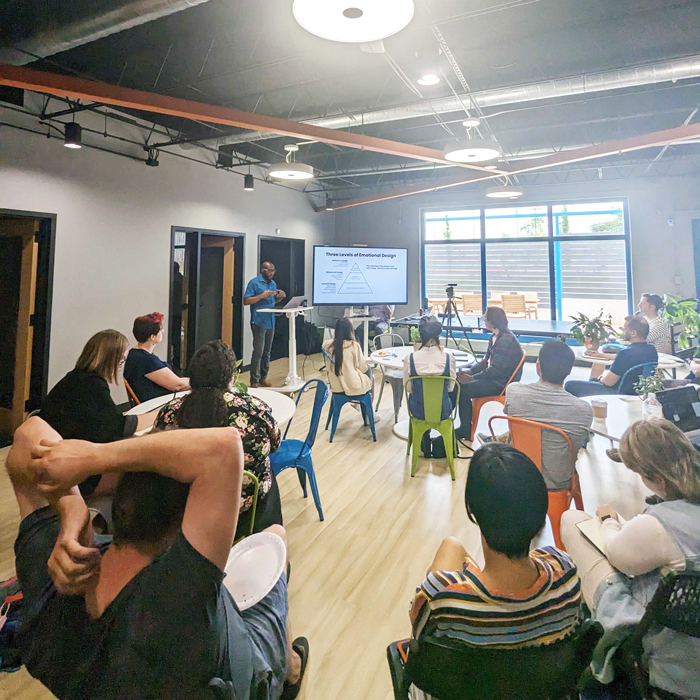
Session at UX Connect
About My Speaking & Workshops
Attendees often describe my talks as engaging, insightful, and thought-provoking. I focus on areas practitioners frequently overlook, bringing attention to emerging trends, hidden challenges, and opportunities that can shape the future of our work. My presentations are designed to challenge assumptions, spark new ideas, and leave audiences with practical insights they can immediately apply.
I am available to present at conferences, workshops, webinars, and corporate events. Every talk is tailored to the audience, ensuring the content is relevant, actionable, and aligned with their goals while creating meaningful conversations that inspire learning, action, and lasting impact.
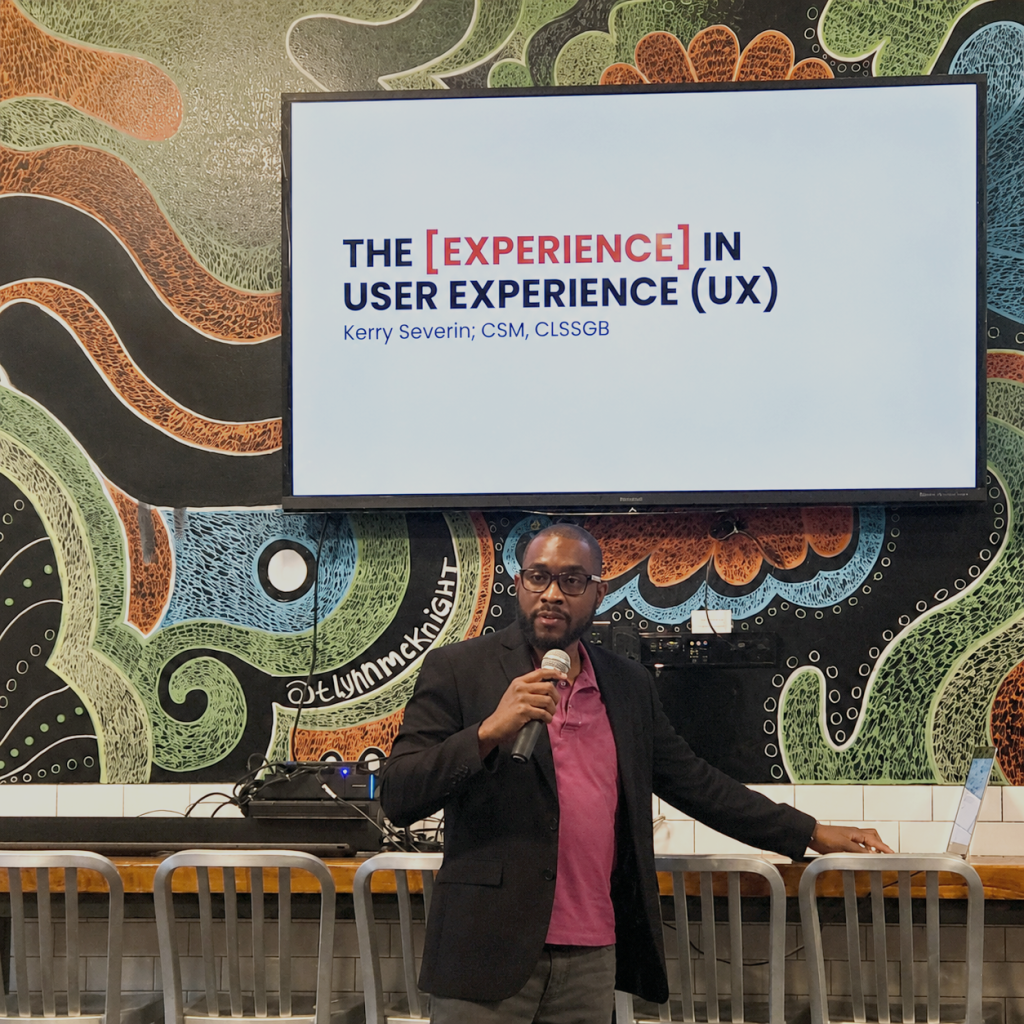
Speaking at AIGA Hi-5 Event
Featured Talks & Sessions
Manage UX Iterative Loops with Good Evaluation
UX activities are collaborative efforts by designers and developers that seek to meet users’ needs while achieving business goals. These activities involve multiple iterations, leading to a continuous loop that may sometimes make teams less efficient. Although most UX activities are led by designers, poorly managed iterations not only impact designers but also the workflow/results of application developers. This talk will focus on managing iterations by validating feedback based on UX heuristics. During this talk, an exploration of a case study will demonstrate how good iteration management reduces burnout, allowing additional time for development.
The Experience in UX Design
The term ‘experience’ quantifies customer interactions with products or services. To optimize experiences, UX designers employ diverse models, processes, and tools to enhance these experiences; however, some designers fail to grasp the essence of the experience construct. This talk aims to motivate designers to delve deeper into the experience construct. It showcases the evolution of UX models and examines the key components shaping an experience. Additionally, it advocates for designers to comprehend emotions, emphasizing how this understanding can transform them into better designers.
Creative Problem Solving
Creative problem-solving is a powerful approach for discovering inventive solutions that extend beyond system design–finding relevance in diverse facets of life. Yet, some of the activities involved in creative problem-solving may seem overwhelming for individuals. This talk leverages concepts in psychology to delve deeper into divergent and convergent thinking, incorporating psychology concepts such as norms, risk-taking, and incubation, along with activities from system design to present a holistic model. This talk also includes a demonstration of a use case of the model and how the model improves problem-solving within our daily lives.
Let's Connect
Have a role in mind? Let's talk.
I’m open to Lead / Director / Principal UX and Product Design roles at companies building enterprise software, AI-powered products, or complex digital ecosystems.